How Meditation Can Help You Deal With Stress, Overthinking and Digital Burnout
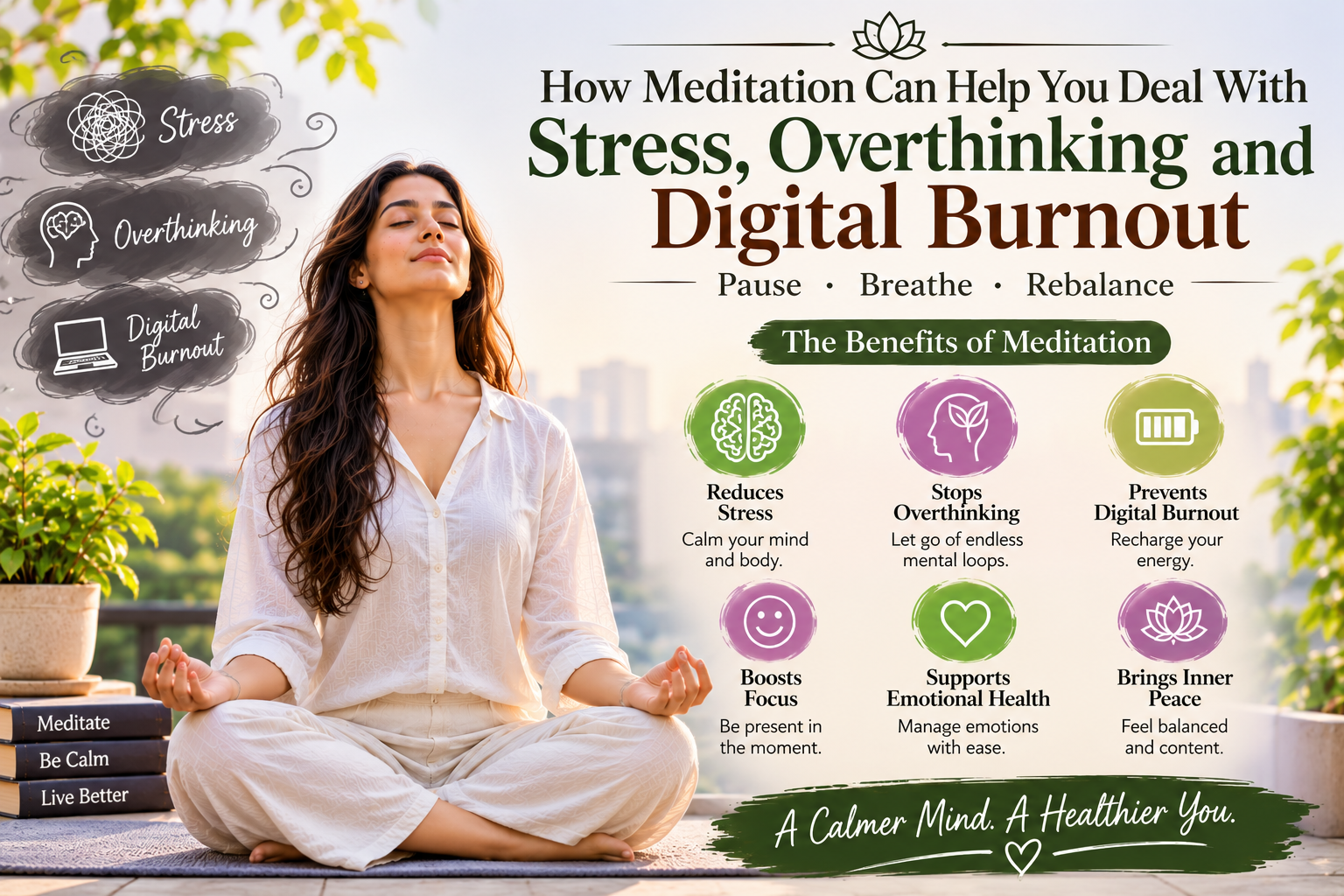
In today\'s fast-paced world, stress, overthinking and digital burnout have become common parts of everyday life. From checking endless notifications to managing work pressure, social media, personal responsibilities and constant screen time, our minds rarely get an opportunity to rest. Even when we are physically relaxed, our thoughts may continue racing.
This is where meditation can make a meaningful difference.
Meditation is a simple yet powerful practice that encourages mindfulness, self-awareness and mental relaxation. It helps us slow down, observe our thoughts and reconnect with the present moment. With regular practice, meditation can support emotional well-being, improve focus and help us develop a healthier relationship with technology and everyday stress.
At AAdi Spiritual, we believe that spiritual wellness begins with understanding yourself and creating a healthy balance between your mind, body and inner energy. Let\'s explore how meditation can help you manage stress, reduce overthinking and deal with digital burnout.
1. Understanding Stress, Overthinking and Digital Burnout
Before understanding the benefits of meditation, it is important to recognise how modern lifestyles affect our mental well-being.
Stress is the body\'s natural response to challenging situations. Work deadlines, financial responsibilities, relationship concerns and daily pressures can contribute to continuous stress.
Overthinking happens when the mind repeatedly focuses on past experiences, future worries or situations that may never happen. It can make even simple decisions feel overwhelming and interfere with relaxation and sleep.
Digital burnout is the mental and emotional exhaustion associated with excessive digital engagement. Constant notifications, online meetings, social media scrolling and information overload can leave the mind feeling tired and distracted.
Although these experiences are different, they often influence one another. Too much screen time can increase mental fatigue, while stress can encourage overthinking. Meditation offers a practical way to create moments of calm within this cycle.
2. How Meditation Helps Reduce Everyday Stress
One of the most recognised benefits of meditation is its ability to support stress management.
When you meditate, you intentionally shift your attention away from external distractions and focus on something simple, such as your breathing, bodily sensations or a calming sound.
This practice encourages the body and mind to move towards a more relaxed state.
Here are some ways meditation can help:
-
Promotes relaxation: Slow, mindful breathing can help reduce physical tension and encourage relaxation.
-
Improves emotional awareness: Meditation helps you recognise emotional reactions without immediately responding to them.
-
Supports better focus: Regular practice can strengthen your ability to bring attention back to the present.
-
Encourages calm thinking: Instead of reacting automatically to stressful situations, you can learn to pause and respond more thoughtfully.
Even spending 10 minutes a day in meditation can become a valuable step towards developing a calmer daily routine.
3. Meditation for Overthinking and Negative Thoughts
Do you ever find yourself thinking about the same situation repeatedly? Perhaps you replay an old conversation, worry about an upcoming event or imagine different outcomes of a problem.
Overthinking can consume mental energy and make it difficult to enjoy the present moment.
Meditation does not mean stopping all thoughts. Instead, it teaches you to observe your thoughts without becoming completely involved in them.
For example, during meditation, you may notice yourself thinking about work or personal responsibilities. Rather than judging yourself, gently bring your attention back to your breathing.
With consistent practice, you can gradually learn to:
-
Recognise repetitive thought patterns.
-
Avoid getting caught up in every negative thought.
-
Develop greater self-awareness.
-
Improve your ability to stay present.
-
Respond to difficult emotions with more patience.
The goal is not to control every thought but to develop a healthier relationship with your mind.
4. How Meditation Can Help You Overcome Digital Burnout
Technology has made communication, learning and working easier. However, spending too much time connected to digital devices can leave us mentally exhausted.
Many people begin their day by checking their phones and end it by scrolling through social media. Between these moments, notifications, emails and online activities constantly compete for attention.
Over time, this habit can make it difficult to disconnect and relax.
Meditation can help you become more mindful of your digital habits.
Here is how you can use meditation to manage digital burnout:
Take mindful breaks: Step away from your phone or computer for a few minutes and focus on your breathing.
Practise screen-free mornings: Instead of immediately checking notifications after waking up, spend a few minutes sitting quietly.
Try mindful breathing: When you feel overwhelmed by digital information, pause and take a few slow, comfortable breaths.
Create a peaceful bedtime routine: Avoid unnecessary screen time before sleeping and include a short relaxation or meditation practice.
Reconnect with the present moment: Spend time enjoying activities such as walking, reading, nature or meaningful conversations without checking your phone.
These small changes can help create a healthier balance between digital life and personal well-being.
5. Simple Meditation Techniques You Can Practise Every Day
You do not need special equipment, an expensive meditation space or years of experience to begin meditating. A quiet place and a few minutes of your time are enough.
Here are some beginner-friendly meditation techniques:
A. Mindfulness Meditation
Mindfulness meditation involves paying attention to the present moment without judging your thoughts or feelings.
Sit comfortably, close your eyes if you prefer and observe your breathing. Notice the sounds around you and the sensations in your body.
Whenever your mind wanders, gently return your attention to the present.
B. Deep Breathing Meditation
Breathing exercises can help you slow down and relax when you feel overwhelmed.
Sit in a comfortable position and breathe gently through your nose. Pay attention to the natural movement of your breath.
Avoid forcing your breathing. Simply allow yourself to experience each inhale and exhale.
C. Guided Meditation
Guided meditation is especially helpful for beginners who find it difficult to meditate independently.
You can follow a meditation recording or an experienced instructor who guides you through relaxation, breathing and visualisation exercises.
D. Body Scan Meditation
Body scan meditation encourages awareness of physical sensations.
Begin by noticing your feet and gradually move your attention towards your legs, stomach, shoulders, neck and head.
Observe areas of tension without trying to force them to relax.
6. Create a 10-Minute Daily Meditation Routine
Consistency is more important than meditating for long periods. Starting with just 10 minutes a day can help you build a sustainable habit.
Here is a simple routine you can follow:
First 2 minutes – Settle down
Find a comfortable and peaceful place. Sit with a relaxed posture and allow yourself to slow down.
Next 3 minutes – Focus on breathing
Pay attention to your natural breathing pattern. Gently bring your attention back whenever your mind wanders.
Next 3 minutes – Practise mindfulness
Notice your thoughts, emotions and physical sensations without judging them.
Final 2 minutes – Develop gratitude
Think about a few positive things in your life. Allow yourself to end the practice with a sense of appreciation and calm.
Try practising this routine every morning or evening. Over time, you may find it easier to create moments of mindfulness throughout your day.
7. Meditation and Spiritual Wellness: Reconnecting With Yourself
Meditation is not only about relaxation. For many people, it is also a way to explore self-awareness, inner peace and spiritual growth.
Modern lifestyles often encourage us to focus on external achievements while ignoring our internal needs. Meditation provides an opportunity to pause and understand what is happening within us.
It can encourage a deeper connection with your thoughts, emotions, values and personal experiences.
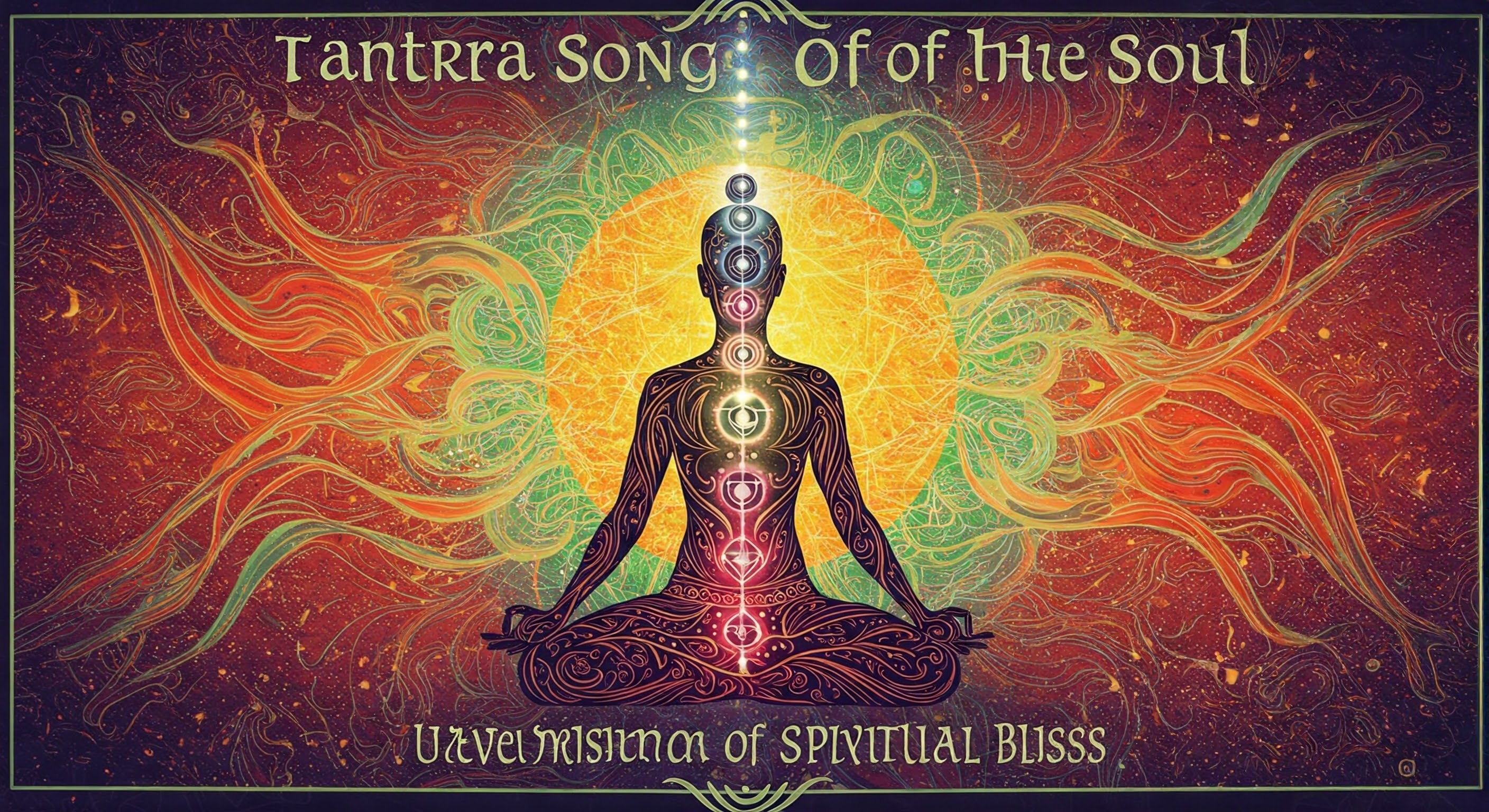
At AAdi Spiritual, we recognise the importance of holistic well-being. Practices such as meditation, mindfulness, breath awareness and traditional spiritual approaches like Tantra can offer different pathways for self-exploration and personal growth.
When approached thoughtfully, these practices can help individuals develop greater self-awareness and create a more balanced relationship with themselves.
8. Tips to Make Meditation a Regular Habit
Many beginners start meditation with enthusiasm but struggle to maintain consistency. Building a simple routine can make the process easier.
Consider these practical suggestions:
-
Start with five to ten minutes rather than setting unrealistic goals.
-
Choose a quiet and comfortable place for meditation.
-
Practise at the same time every day.
-
Keep your phone away during meditation.
-
Do not worry if your mind wanders.
-
Be patient and avoid expecting immediate results.
-
Focus on consistency rather than perfection.
Remember that meditation is a personal journey. Everyone experiences it differently, so give yourself time to discover what works best.
Conclusion: Find Your Inner Peace with AAdi Spiritual
Stress, overthinking and digital burnout are challenges of modern living, but you do not have to allow them to control your everyday life.
Meditation offers a simple opportunity to slow down, understand your thoughts and reconnect with the present moment. Whether you are dealing with work-related stress, constant digital distractions or repetitive negative thinking, developing a regular meditation practice can support your emotional well-being and encourage a more mindful lifestyle.
At AAdi Spiritual, we believe that true wellness involves nurturing the mind, body and inner self. Through meditation, mindfulness and spiritual awareness, you can begin creating more space for balance, clarity and inner peace.
Your journey towards a calmer and more conscious life can begin with just a few minutes of meditation every day.
Take a pause, breathe mindfully and reconnect with yourself.