The Difference Between Spiritual Wellness and Mental Wellness
The Difference Between Spiritual Wellness and Mental Wellness
In today\'s fast-paced world, maintaining overall well-being has become more important than ever. Busy schedules, daily responsibilities, digital distractions, and personal challenges can affect how we think, feel, and connect with ourselves. As a result, more people are exploring different ways to achieve a healthier and more balanced life.
Two important concepts that often come up in conversations about holistic well-being are spiritual wellness and mental wellness. Although these terms are closely connected, they have different meanings and serve different purposes in our lives.
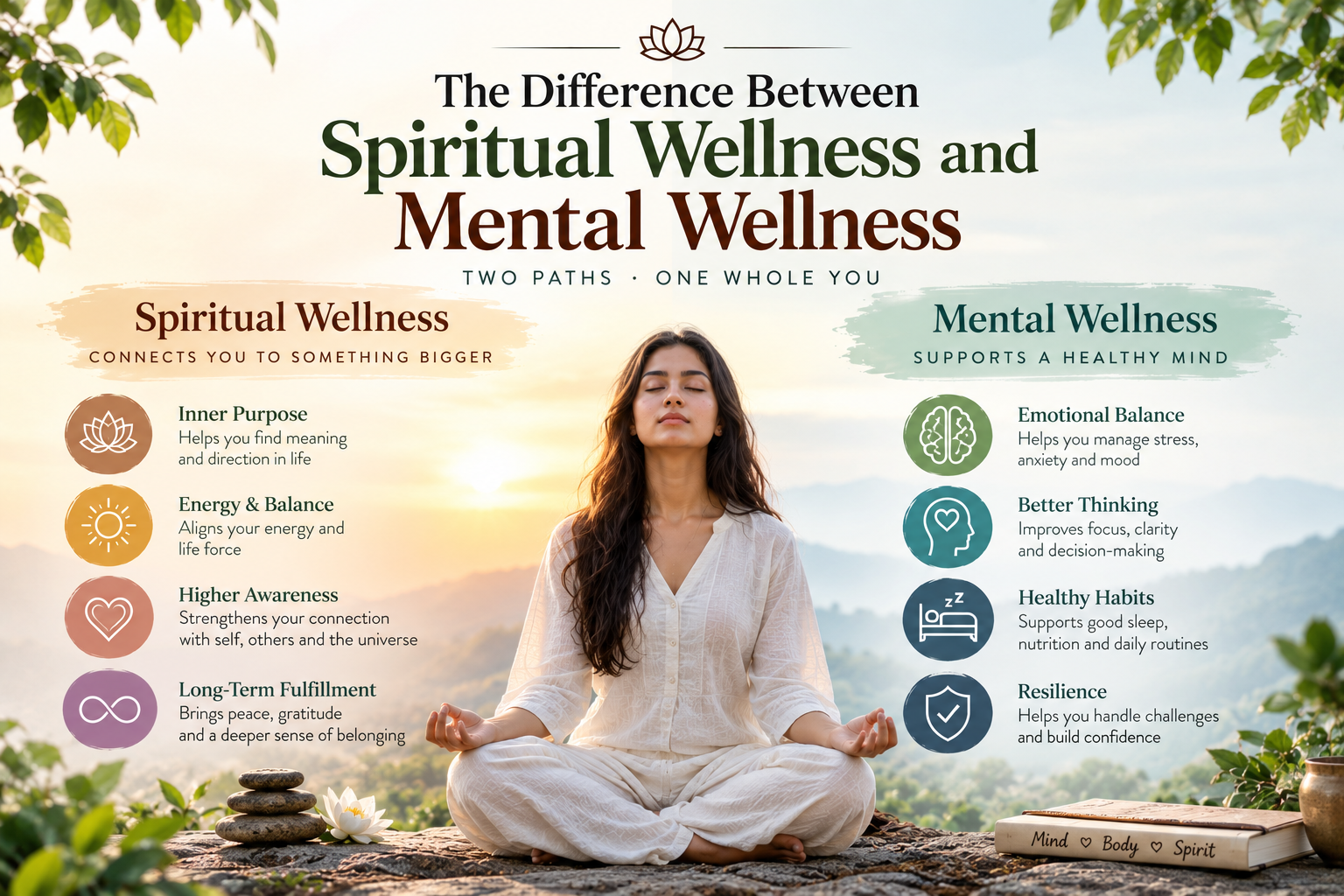
Spiritual wellness focuses on finding meaning, purpose, inner peace, and a deeper connection with yourself and the world around you. Mental wellness, on the other hand, relates to emotional balance, clear thinking, stress management, and the ability to cope with everyday challenges.
Understanding the difference between spiritual wellness and mental wellness can help you make more informed choices about your personal growth and well-being.
What Is Spiritual Wellness?
Spiritual wellness is the process of developing a deeper understanding of yourself, your values, your purpose, and your connection with life. It encourages self-awareness, inner harmony, compassion, and a sense of meaning beyond everyday responsibilities.
Spiritual wellness does not necessarily mean following a particular religion or belief system. For some people, it may involve prayer, meditation, yoga, or traditional spiritual practices. For others, it may come from spending time in nature, practising gratitude, reflecting on personal values, or building meaningful relationships.
The goal is to create a sense of connection and alignment between your beliefs, actions, and inner values.
Common Signs of Spiritual Wellness
Some signs that you are nurturing your spiritual wellness include:
-
A sense of purpose: You have a clearer understanding of what matters most to you.
-
Inner peace: You make time to slow down, reflect, and reconnect with yourself.
-
Self-awareness: You become more conscious of your thoughts, values, and behaviour.
-
Compassion and gratitude: You develop a greater appreciation for yourself and others.
-
Connection with life: You feel more connected to nature, your community, or something greater than yourself.
Practices such as meditation, mindful breathing, journaling, and reflection can help support spiritual wellness. The most suitable approach depends on your personal beliefs, needs, and preferences.
What Is Mental Wellness?
Mental wellness refers to your ability to understand and manage your emotions, think clearly, maintain relationships, cope with stress, and navigate everyday experiences.
It does not mean feeling happy all the time or never experiencing anxiety, sadness, frustration, or disappointment. Instead, mental wellness involves developing healthy ways to respond to life\'s challenges and seeking support when needed.
Good mental wellness can help you recognise your emotions, make thoughtful decisions, maintain healthy boundaries, and recover from difficult experiences.
Common Signs of Mental Wellness
Mental wellness can be supported by developing habits such as:
-
Emotional awareness: Recognising and understanding your feelings without judging yourself.
-
Stress management: Using healthy strategies to cope with pressure and uncertainty.
-
Healthy relationships: Communicating effectively and maintaining supportive connections.
-
Clear thinking: Making decisions with greater awareness and perspective.
-
Resilience: Learning to adapt to change and recover from setbacks.
Regular physical activity, sufficient sleep, social connection, relaxation techniques, and professional mental health support when necessary can all contribute to mental wellness.
Spiritual Wellness vs Mental Wellness: Key Differences
Spiritual wellness and mental wellness can complement one another, but they focus on different aspects of the human experience.
| Aspect | Spiritual Wellness | Mental Wellness |
|---|---|---|
| Main focus | Meaning, purpose, values, and connection | Thoughts, emotions, behaviour, and coping skills |
| Primary goal | Developing inner harmony and a sense of purpose | Supporting emotional balance and psychological functioning |
| Common practices | Meditation, prayer, gratitude, reflection, and spiritual exploration | Stress management, healthy routines, emotional regulation, and therapy when appropriate |
| Key question | What gives my life meaning and direction? | How can I understand my thoughts and manage my emotions? |
| Possible benefit | Greater sense of purpose and personal connection | Improved coping skills and emotional self-awareness |
These differences are not absolute. For example, meditation may support both spiritual reflection and stress management, while journaling may help you understand your emotions and clarify your personal values.
Neither form of wellness replaces the other. Both can contribute to a more balanced approach to life.
How Are Spiritual Wellness and Mental Wellness Connected?
Although spiritual wellness and mental wellness have different focuses, they often influence one another.
When you feel connected to your values and have a sense of purpose, you may find it easier to approach difficult situations with perspective. Similarly, when you develop healthier ways to manage stress and understand your emotions, you may have more space for reflection, self-discovery, and spiritual exploration.
For example, someone experiencing work-related stress may use breathing exercises to calm down, speak with a mental health professional to address persistent anxiety, and practise meditation to reconnect with their personal values.
Each approach serves a different purpose, yet they can work together as part of an individual\'s broader wellness routine.
It is important to remember that spiritual practices do not automatically resolve mental health difficulties. Persistent emotional distress may require professional assessment and evidence-based treatment.
5 Ways to Improve Spiritual and Mental Wellness
You do not need to make dramatic changes to begin caring for your overall well-being. Small, consistent habits can help you become more aware of your needs and create a healthier daily routine.
1. Practise Mindfulness and Meditation
Mindfulness encourages you to pay attention to the present moment without immediately judging your thoughts or feelings.
Start with five to ten minutes of quiet breathing or guided meditation each day. Notice your breath, observe your thoughts, and gently bring your attention back whenever your mind wanders.
This practice may help you develop self-awareness and manage everyday stress. If meditation feels uncomfortable, try shorter sessions or another relaxation activity.
2. Make Time for Self-Reflection
Set aside a few minutes each day to reflect on your experiences.
Ask yourself questions such as:
-
What emotions did I experience today?
-
What situations made me feel peaceful or stressed?
-
What values are most important to me?
-
What is one thing I am grateful for today?
Self-reflection can help you understand your emotional patterns while developing a clearer sense of purpose and direction.
3. Build Healthy Daily Habits
Your physical health and daily routine can influence both mental and spiritual well-being.
Try to maintain a consistent sleep schedule, eat balanced meals, engage in regular physical activity, and spend time away from screens. Even a short walk outdoors can provide an opportunity to slow down and reconnect with your surroundings.
Healthy habits are not about achieving perfection. They are about creating routines that support your needs over time.
4. Explore Practices That Align With Your Values
Spiritual wellness is personal. You may find meaning through meditation, prayer, yoga, nature, creative activities, or service to others.
Choose practices that feel authentic to you rather than following a routine simply because it is popular.
If you are interested in Tantra, explore its contemplative and meditative traditions through informed, respectful guidance. Different Tantric traditions have distinct teachings, and no single practice is suitable for everyone.
Approached thoughtfully, spiritual exploration can provide an opportunity to deepen self-awareness and reflect on how you want to live.
5. Seek Support When You Need It
Caring for yourself also means recognising when you need help.
Talking to trusted friends, family members, counsellors, psychologists, or other qualified professionals can help you navigate emotional difficulties. Spiritual guidance may also be meaningful to you, but it should complement rather than replace appropriate mental health care.
Seeking support is not a sign of weakness. It is a practical step towards understanding your needs and improving your quality of life.
Can Spiritual Wellness Improve Mental Wellness?
Spiritual practices may support certain aspects of mental wellness, particularly when they encourage mindfulness, reflection, gratitude, compassion, and a sense of connection.
For example, meditation can help some people develop greater awareness of their thoughts and reactions. Gratitude practices may encourage a more balanced perspective, while meaningful relationships and a sense of purpose can contribute to a feeling of belonging.
However, the effects vary from person to person. Spiritual wellness is not a substitute for professional mental health care, and it should not be used to suggest that someone can overcome depression, anxiety, trauma, or other mental health conditions simply by changing their mindset.
A balanced approach recognises the value of personal beliefs and spiritual practices while respecting the importance of psychological, medical, and social support.
The Role of Tantra in Spiritual Wellness
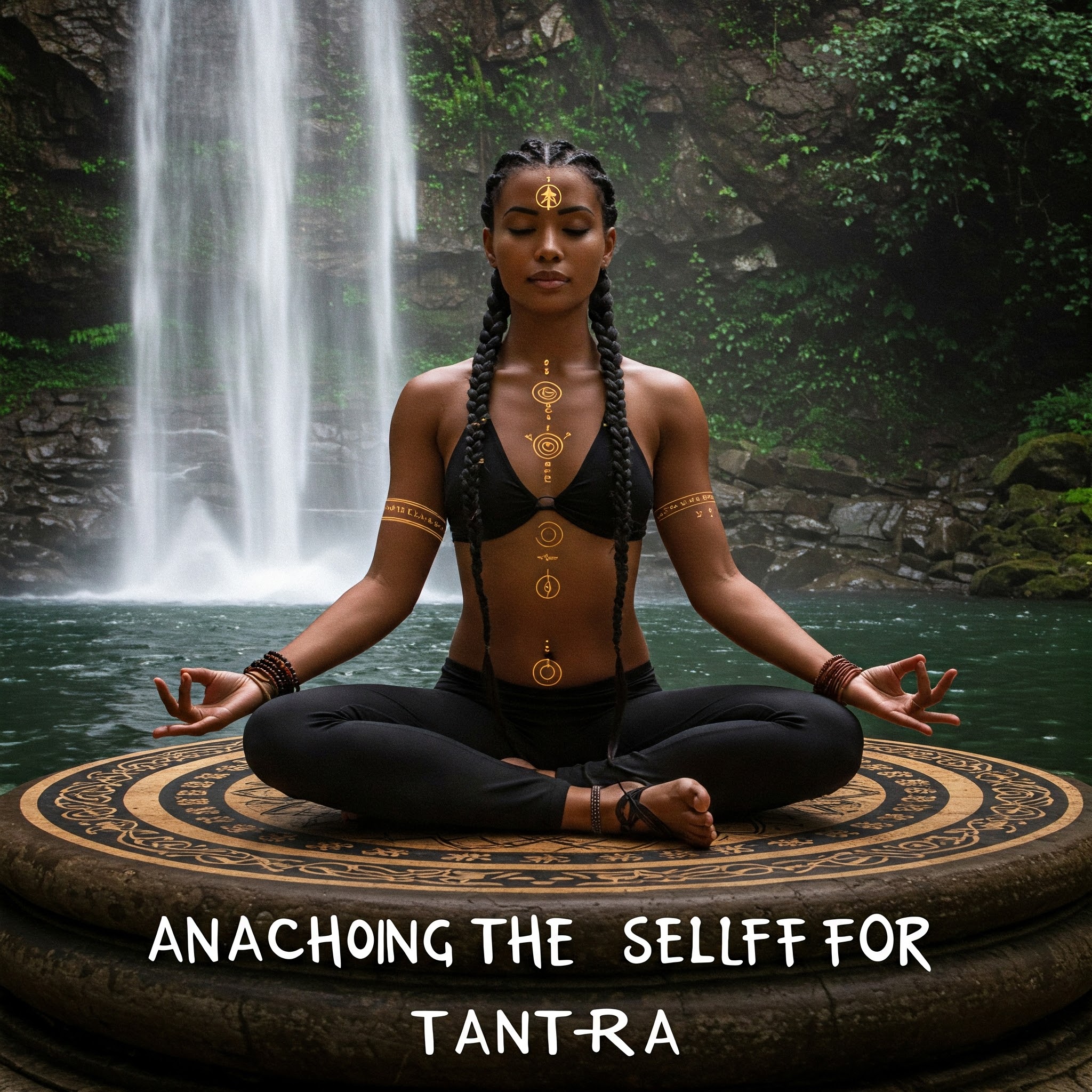
Tantra is a diverse collection of spiritual traditions with roots in South Asian religious and philosophical history. Depending on the tradition, Tantric practices may involve meditation, mantra, breath awareness, ritual, contemplation, and other methods of spiritual development.
In contemporary wellness settings, some practices inspired by Tantra are presented as ways to explore mindfulness, body awareness, and personal connection. However, modern wellness approaches should not be confused with the full range of traditional Tantric teachings.
For people interested in spiritual wellness, learning about Tantra through responsible, informed guidance may offer an opportunity to explore awareness, presence, and personal values.
It is equally important to maintain realistic expectations. Tantra is not a guaranteed treatment for mental health conditions, and any wellness practice should respect personal boundaries, informed consent, and individual comfort.
At AAdi Spiritual, exploring spirituality can begin with curiosity, self-awareness, and an open-minded approach to personal growth.
Why You Should Care About Both Forms of Wellness
Focusing only on one aspect of well-being may leave other important needs unaddressed.
For instance, a person may have a strong sense of purpose but still struggle with stress, emotional difficulties, or unhealthy routines. Another person may have effective coping skills but feel disconnected from their values or uncertain about what gives their life meaning.
Recognising both spiritual and mental wellness allows you to take a broader view of your needs.
You can develop emotional awareness while exploring your beliefs, practise meditation while seeking professional support when necessary, and build healthy relationships while making time for personal reflection.
The objective is not to eliminate every difficult emotion or find a perfect state of peace. It is to develop a more thoughtful, balanced, and compassionate relationship with yourself and the world around you.
Conclusion
Spiritual wellness and mental wellness are two important dimensions of overall well-being. Spiritual wellness helps you explore meaning, purpose, values, and connection, while mental wellness focuses on understanding emotions, managing stress, and navigating life\'s challenges.
Although they are different, both can contribute to personal growth and a healthier relationship with yourself.
Through mindfulness, meditation, self-reflection, healthy routines, meaningful relationships, and appropriate professional support, you can take practical steps towards nurturing both areas of your life.
At AAdi Spiritual, we believe that personal growth begins with greater awareness of yourself and your needs. Whether you are exploring meditation, learning about Tantra, or beginning a spiritual journey, take small steps, remain curious, and choose practices that support your well-being.
Your journey towards balance begins with understanding yourself—one mindful step at a time.